Ala Standard, Nicole Cashman and Wedding Walk

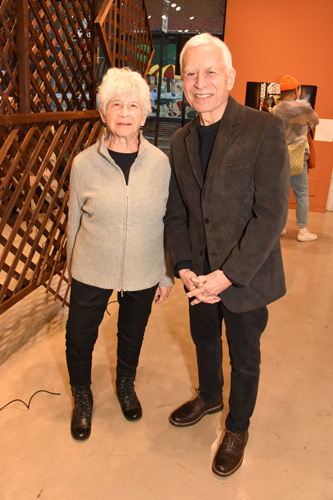
Congratulations to Nicole Cashman & Associates for her 25th Anniversary this year, for a fabulous party held last week at PAFA and being honored with Proclamations by the Mayor and City Council.

Something’s Cooking: For months, Rittenhouse regulars were convinced Stephen Starr was bringing high-end sushi to the former Devon Seafood Grill space. Not quite. Word on the Square kept pointing elsewhere, and now it’s official. Starr has installed signage confirming @thepelicanclubphiladelphia is headed to Rittenhouse. The Parthenon graphic gives it away, and the vibe leans unmistakably Mykonos with a wink to Petros the pelican. In modern Greek lore, Petros became the island’s beloved mascot after a fisherman rescued him in 1958. Big move, big buzz, and one more reason the Square stays interesting. ✨

Real Estate agent Navid Aberg reports a new eatery Lucky Duck Riverside Tavern, is opening next Wednesday March 18, on the ground-floor space at the RiverMark apartment complex at 501 N. Columbus Blvd. The 3,800-square-foot space has bay windows that open during the warmer months and offer panoramic views of the river and the Benjamin Franklin Bridge. There will also be outdoor seating once the season turns, making it one to watch as spring hits the waterfront. 🦆✨

Monday night: A Taste of Democracy: An Evening at High Street with Ellen Yin and Dori Desautel Broudy
Join us in supporting Dr. Ala Stanford — physician, public health leader, and proud Democrat running to represent Philadelphia in Congress.

New and Unique: Philadelphia Wedding Walk: Mark your calendars for March 22, when the Philadelphia Wedding Walk debuts with a citywide, self guided experience designed for couples deep in planning mode. More than 150 of the region’s top vendors will transform venues and storefronts with styled spaces, tastings, entertainment, and thoughtful details that let guests truly imagine their big day before booking. With seamless shuttle transportation connecting stops across Philly, it feels less like a bridal expo and more like a beautifully curated afternoon out. Expect plenty of inspiration, polished presentations, and a lively scene wherever you land. 💍✨

This weekend goes full St. Patrick’s Day mode with the Erin Express bar crawl, the St. Patrick’s Day Parade, and plenty of other festivities across the city. And if green beer is not your jawn, Saturday also doubles as National Espresso Martini Day. A few highlights on the calendar, including the return of America’s largest Espresso Martini Crawl in Northern Liberties, landing just in time for the occasion. Save the date for Saturday, March 14, from 11 am to 4 pm. ☘️🍸✨

Step into the unexpected. ✨
The Ministry of Awe opens Saturday, March 14 at 27 N. 3rd St. in Old City, inviting visitors to wander through six stories of immersive, imagination-fueling art created by over 100 artists . Around every corner is something playful, surprising, delightfully decadent, with clever nods to the building’s former life as a bank tucked into the experience. You could spend hours exploring and still discover something new with each visit. Creativity will also happen on a rotating basis.

The project, led by Philadelphia artist Meg Saligman and brought to life with more than 100 local artists, performers, and designers, is awe inspiring and unmistakably Philly. It feels created by Philadelphians for Philadelphians, not a traveling pop up marketing gallery. We are lucky to have visionaries like the team behind this space. “At this bank, we trade in curiosity, imagination, and awe,” Saligman told me on Instagram Stories. “Our bank is about exploring the true meaning of currency and value and completely redefining it. Whatever you bring, we will welcome and value it.”
Another busy social season has kicked off.
Socially Yours, xoxo HughE







 Opening hours:
 Duration: The visit lasts approximately 60 to 80 minutes
 Location: Fashion District Philadelphia
 Age requirement: All ages!


